Stylistics Script: A Versatile Font Duo for Creative Projects
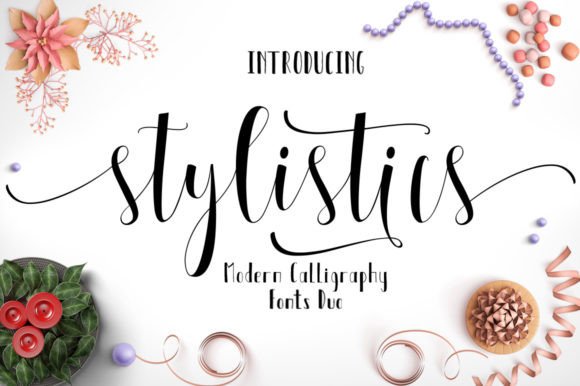
The Stylistics Script is a font that stands out for its elegant, rounded design and smooth lines. As part of the Stylistics font duo, it pairs seamlessly with the sans serif counterpart, Stylistics Sans, to create a cohesive and versatile typography solution. Whether you're designing invitations, crafting digital content, or working on creative projects, understanding the strengths and limitations of this font can help you make an informed decision about its use.
What Is Stylistics Script?
Stylistics Script is a script font known for its fluid curves and clean, modern aesthetic. It features 505 unique glyphs, which are accessible through PUA encoding, allowing for greater customization and flexibility. This makes it suitable for both digital and print applications. The font's rounded edges give it a friendly and approachable feel, while still maintaining a professional appearance.
As part of the Stylistics font duo, it is often used in conjunction with Stylistics Sans, a complementary sans serif font. Together, they offer a balanced mix of script and sans serif styles, enabling designers to create visually appealing compositions with a handmade feel.
Why Consider Stylistics Script?
There are several reasons why someone might be interested in using Stylistics Script. Its versatility allows it to be used across a wide range of applications, from wedding invitations and nursery wall art to short-form content such as social media posts and branding materials. The font’s clean lines and smooth curves make it easy to read, even at smaller sizes, which is a key consideration for many design projects.
Another advantage of Stylistics Script is its compatibility with digital platforms. It looks great on screen, making it ideal for web-based projects, presentations, and other digital media. The inclusion of PUA encoding also means that users have access to a broader range of characters and symbols, enhancing the font's usability in multilingual or specialized contexts.
Benefits and Tradeoffs
One of the primary benefits of Stylistics Script is its ability to add a personal and artistic touch to any project. Its handcrafted appearance gives designs a more organic feel, which can be particularly effective for branding, marketing materials, and creative content. Additionally, the pairing with Stylistics Sans provides a well-rounded typography system that works well for both headings and body text.
However, there are also some tradeoffs to consider. Because it is a script font, it may not be the best choice for long blocks of text. Script fonts can be harder to read in extended passages due to their flowing, connected letters. For this reason, it is often recommended to use Stylistics Script for headlines, logos, or short phrases rather than for large bodies of text.
Another consideration is legibility. While the font is designed to be smooth and readable, individual preferences may vary. Some users may find the rounded edges less formal or less suitable for certain types of content, such as academic or technical writing.
Situations Where Stylistics Script Is a Strong Fit
Stylistics Script is particularly well-suited for projects that benefit from a more artistic or personalized touch. This includes:
- Wedding Invitations: The elegant and flowing nature of the font makes it ideal for creating romantic and sophisticated wedding invitations.
- Nursery Wall Art: Its soft and rounded style complements children's themes and can be used to create playful and inviting wall art.
- Short-Form Content: Social media posts, taglines, and brand slogans can benefit from the visual appeal of this font.
- Design Projects: Use it for logos, packaging, and other creative elements where a distinctive look is desired.
In these scenarios, the font's aesthetic qualities align well with the intended purpose, making it a strong choice for designers and creators looking to enhance their work with a unique typographic element.
When Alternatives May Be Worth Considering
While Stylistics Script is a versatile option, there are situations where alternative fonts may be more appropriate. For example, if a project requires a high level of readability or involves extensive body text, a more traditional serif or sans serif font may be preferable. These fonts are typically easier to read over long passages and are better suited for formal or informational content.
Additionally, if a more structured or minimalist design is needed, a sans serif font like Stylistics Sans alone may be a better fit. It offers a cleaner, more modern look that can complement the script font but also stand on its own.
For those working in multilingual environments, it's important to ensure that the font supports the necessary characters. While Stylistics Script includes a wide range of glyphs, it may not cover all languages or special characters required for specific projects.
Practical Insights for Choosing Stylistics Script
When evaluating whether Stylistics Script is the right choice for your project, consider the following factors:
- Purpose of the Project: If you're creating something that requires a personal or artistic touch, this font can be a great fit. However, if clarity and readability are the top priorities, consider alternatives.
- Legibility Requirements: Assess how much text will need to be displayed and ensure that the font's style does not compromise readability.
- Design Aesthetic: Think about the overall look and feel of your project. Does the font's style match the tone and message you want to convey?
- Compatibility: Ensure that the font works well with other design elements and that it is supported across the platforms and devices you plan to use.
By carefully considering these aspects, you can determine whether Stylistics Script aligns with your goals and needs. It is a valuable tool for creative projects, but like any design element, it should be chosen based on its suitability for the specific context in which it will be used.