Arabic Script: A Timeless Font for Creative and Cultural Expression
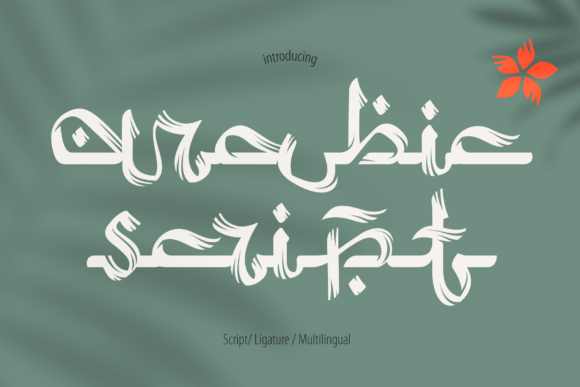
Arabic Script is a unique and incredibly interesting script font that draws inspiration from classical Arabic calligraphy. This elegant and flowing font has been used for centuries in Islamic art, literature, and design. Its intricate curves and stylized forms make it ideal for a wide range of creative applications, including Ramadan advertising, Islamic quotes posters, Arabic-style greeting cards, and Eastern brand logos.
What Makes Arabic Script Distinct?
Arabic Script stands out due to its rich heritage and visual complexity. Unlike many Latin-based scripts, which are composed of straight lines and uniform shapes, Arabic Script features fluid, interwoven strokes that reflect the calligraphic traditions of the Arab world. Each letter is designed with a balance of symmetry and movement, creating a visually appealing and culturally significant font.
One of the most distinctive aspects of Arabic Script is its ligatures, or connected letters, which give the text a seamless, flowing appearance. This characteristic not only enhances readability but also adds an artistic flair that is hard to replicate with other fonts.
Comparing Arabic Script with Other Script Fonts
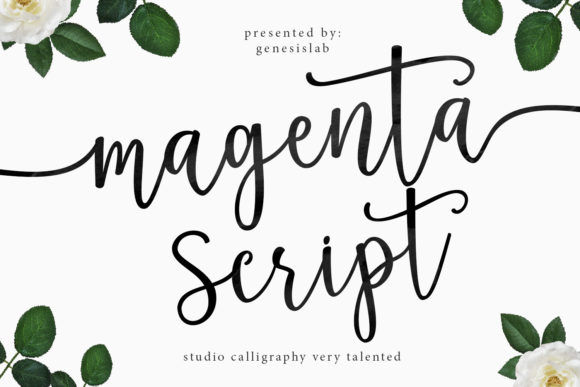
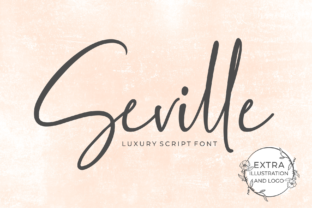
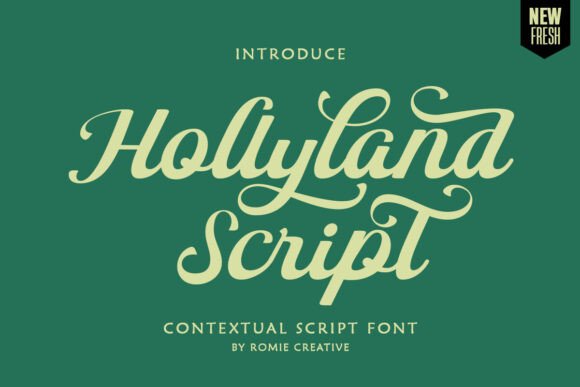
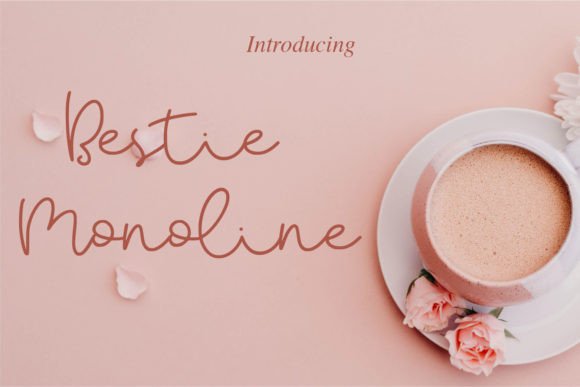
When considering options for creative projects that require a cultural or aesthetic touch, it's helpful to compare Arabic Script with other script fonts. For example, Brush Script and Cursive fonts are often used in Western design for their informal, handwritten look. However, these fonts lack the depth and cultural significance that Arabic Script offers.
Another alternative is Kufi, a more geometric and angular form of Arabic calligraphy. While Kufi is also used in Islamic art and design, it has a more rigid structure compared to the fluidity of Arabic Script. This makes Arabic Script more suitable for projects that require a sense of motion and elegance.
For those looking for a modern take on traditional Arabic calligraphy, there are also digital Arabic Script variations that combine the beauty of classic calligraphy with the convenience of digital typography. These fonts are optimized for screen use and can be easily integrated into web design, mobile apps, and digital marketing campaigns.
Strengths of Arabic Script
- Cultural Relevance: Arabic Script is deeply rooted in Islamic culture and history, making it a powerful choice for projects related to religion, tradition, and heritage.
- Aesthetic Appeal: The flowing and ornate nature of Arabic Script makes it visually striking and suitable for high-impact designs such as posters, banners, and advertisements.
- Versatility: Whether used in print or digital formats, Arabic Script can adapt to various media and platforms while maintaining its visual integrity.
Potential Tradeoffs
Despite its many strengths, Arabic Script may not be the best choice for every project. One potential limitation is its complexity. Because of its intricate ligatures and stylized forms, Arabic Script can be challenging to read at smaller sizes or in low-resolution formats. This means that it may not be the most practical option for body text in long-form documents or websites that prioritize readability over aesthetics.
Additionally, typographic tools and design software may have limited support for Arabic Script, especially when it comes to advanced features like kerning, tracking, and multilingual support. Designers may need to invest time in learning how to properly format and render Arabic Script in their projects.
Best-Fit Situations for Arabic Script
Arabic Script is particularly well-suited for projects that require a strong cultural or artistic element. Here are some common use cases where Arabic Script shines:
- Ramadan Advertising: During the holy month of Ramadan, businesses often create special promotions and advertisements that reflect the spirit of the occasion. Arabic Script can add a sense of reverence and tradition to these materials.
- Islamic Quotes Posters: Inspirational quotes from the Quran or Hadith are often displayed in public spaces, homes, and mosques. Arabic Script provides an elegant and respectful way to present these messages.
- Arabic-Style Greeting Cards: Whether for weddings, birthdays, or religious celebrations, greeting cards featuring Arabic Script can offer a unique and meaningful touch.
- Eastern Brand Logos: Companies with a Middle Eastern or North African presence may choose to incorporate Arabic Script into their branding to emphasize cultural identity and authenticity.
In each of these scenarios, Arabic Script helps convey a message that is both visually appealing and culturally resonant.
When to Consider Alternatives
While Arabic Script is an excellent choice for specific applications, there are situations where it may not be the most effective option. For instance, if a project requires a font that is easy to read in large volumes of text, a simpler sans-serif or serif font might be more appropriate.
Similarly, for international audiences who are not familiar with the Arabic language or script, using Arabic Script could potentially limit accessibility. In such cases, it may be better to use a universally recognized font that supports multiple languages and character sets.
Designers should also consider the technical requirements of their platform. If they are working on a website or app that needs to support multiple languages, they may need to choose a font that is compatible with Unicode standards and offers good cross-platform performance.
Practical Examples and Comparisons
To illustrate the differences between Arabic Script and other script fonts, let’s consider a few practical examples:
- Example 1: A designer creating a poster for a Ramadan event may choose Arabic Script for the main headline to capture the festive and spiritual mood. However, for the body text, they might switch to a more legible font like Arial or Times New Roman to ensure readability.
- Example 2: A company launching a new product in the Middle East may use Arabic Script in its logo to emphasize cultural relevance. At the same time, they would likely use a clean, modern font for the rest of their marketing materials to maintain a professional appearance.
- Example 3: A graphic artist designing a greeting card for a Muslim wedding may opt for Arabic Script to write the couple’s names and include a quote from the Quran. This choice reinforces the cultural significance of the event while adding an artistic dimension to the design.
These examples highlight how Arabic Script can be effectively used in combination with other fonts to achieve a balanced and impactful result.
Conclusion
Arabic Script is a remarkable font that combines cultural significance with artistic beauty. Its versatility and elegance make it a valuable tool for designers, marketers, and creators who want to add a touch of tradition and sophistication to their work. However, it is important to consider the context, audience, and technical requirements of each project before deciding whether Arabic Script is the right choice.
By understanding the strengths and limitations of Arabic Script, designers can make informed decisions that enhance the visual impact and cultural relevance of their creations without compromising functionality or accessibility.